By Jeff Austin, EVP of Network Operations at Kinetic
A farmer in his early sixties is managing a chronic condition that takes more than a biannual visit with his family doctor. It’s the kind that needs a specialist looking at his numbers every few months, and the closest specialist who takes his insurance is 90 miles away.
He’s looking at a three-hour round trip, plus the wait time and the appointment itself. All said and done, that’s half a workday gone. And if anything looks concerning, he might have to do the whole thing again in two weeks.
Across a lot of farm country, that’s just how healthcare works. Telehealth might have been a pandemic-era stopgap for urban locations, but out here, it’s turning into something closer to essential infrastructure.
In fact, that farmer’s specialist already offers telehealth, but he’s found that he can’t take advantage of it without a strong, stable broadband internet connection. So instead, he spends half a workday or more making the drive, worrying the whole time about what needs to be done back on the farm. And the older he gets, the more frequent the appointments become.
The healthcare math in farm country
Let’s start with accessibility. According to the Health Resources and Services Administration’s State of the Primary Care Workforce study, 63.1% of the country’s primary care health professional shortage areas are rural. While urban areas average 36.3 physicians per 10,000 residents, rural areas average just 13.2, and specialty care is even thinner.
Now add the operational cost. A crop doesn’t reschedule. Neither does a herd, an irrigation window, or a narrow stretch of dry weather in the middle of harvest. Every hour spent in a waiting room two counties over is an hour not spent on the operation.
Then add age. The average age of U.S. farm producers is around 58 years, and a significant number are over 65. Nearly 80% of U.S. adults over 65 report at least 2 chronic conditions, and management, routine follow-ups, and specialist check-ins aren’t one-time events at that stage of life. They’re a standing appointment, several times a year, for the foreseeable future.
It adds up to half a day’s work lost and 90+ miles driven, 4-6 times a year, for a decade or more. And that’s just the time cost. We didn’t even touch the monetary cost.
The appointments nobody puts on the calendar
There’s also another piece we need to talk about, because it’s not talked about enough. Farming is already a high-stress occupation, and factors like financial worries and isolation can put the farming community at a higher risk for mental health concerns, while stigmas and costs often make it harder to seek help.
But access is also a barrier, and a steep one. Rural areas average 3.5 psychiatrists per 100,000 residents compared to 13.0 in metro areas. A counseling appointment by video removes the drive, often brings down the cost, and keeps a private health concern private.
What rural telehealth actually makes possible
When you have the access and technology to support it, telehealth can open up opportunities for:
- Virtual routine follow-ups and chronic condition management: Reviewing labs, adjusting a medication, checking in after a procedure — these types of visits rarely require hands on a patient. Telehealth lets you swap the 90-mile drive for a 20-minute video call.
- Specialist access that otherwise wouldn’t exist: A cardiologist or an endocrinologist who’s never going to open an office in a town of 3,000 can still see patients there.
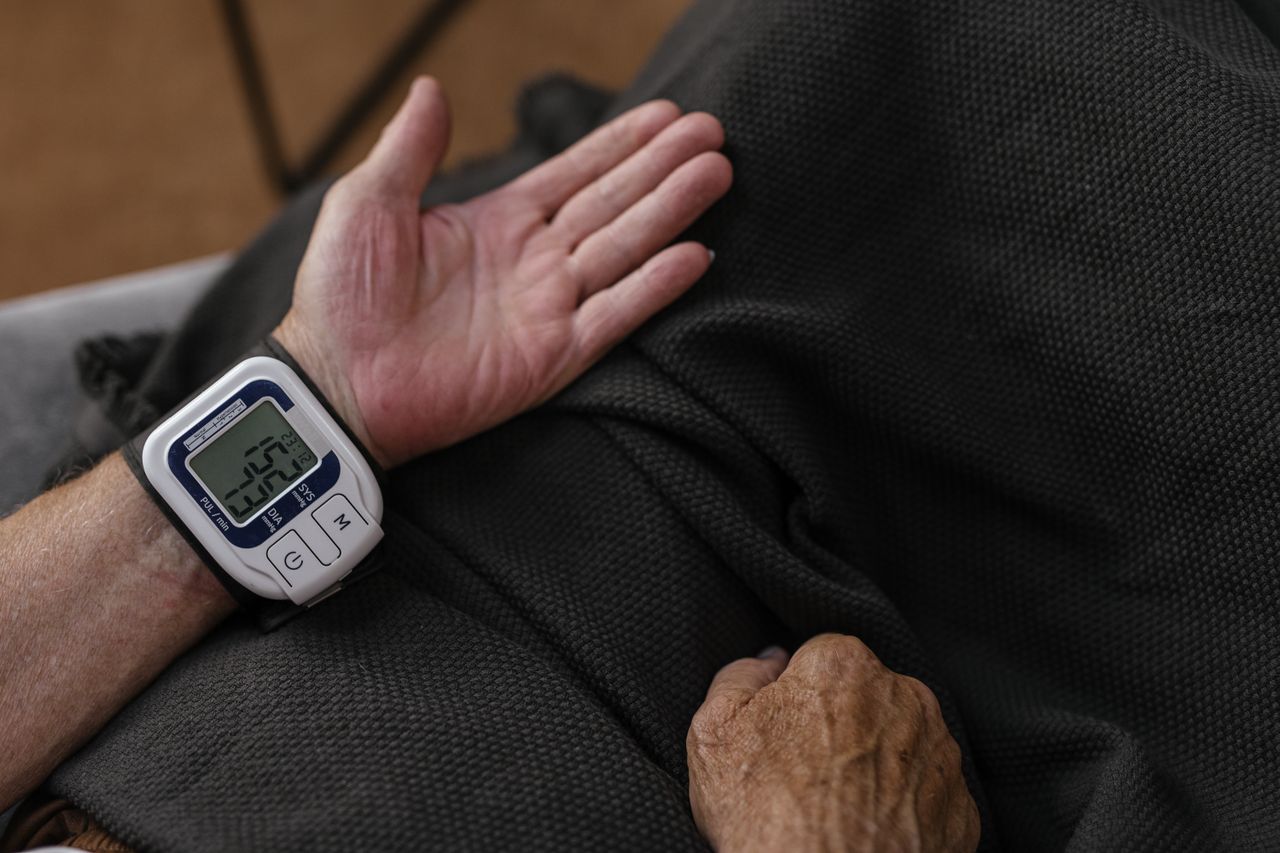
- Remote monitoring: Blood pressure cuffs, glucose monitors, and cardiac devices can report readings continuously, so the data can make the trip and the patient doesn’t have to.
- Mental health care on a farmer’s schedule: Private, from home, at 6 a.m. or 8 p.m., without a full day’s commitment.
- Caregiving support: Aging parents on the farm often need regular care, managed by family members already stretched across a full workload.
None of these benefits eliminate the need for in-person visits, but they do make it easier to access routine care when it’s needed, without worrying about the drive, the lost time, and the stigmas.
The challenge is making telehealth accessible. While 71% of physicians report they regularly provide virtual care, patients need fast, reliable internet to take advantage of it — a tall order in many rural areas.
Why does a video visit need more than a bar of signal?
A telehealth appointment on a bad connection isn’t much of an appointment. It’s a frustrating half-conversation where the doctor keeps asking you to repeat yourself until you both give up and switch to the phone.
Four things determine how well your video calls perform:
- Bandwidth is capacity, or how much data moves at once. But data has to move up and down, and the upload number is the one people overlook. Most copper-based connections are lopsided, with much less upload capacity than download.
- Latency is delay: How long a data packet takes to make the trip. High latency is why people end up accidentally talking over each other on a video call.
- Jitter is inconsistency in that delay. It’s what makes audio sound like it’s underwater.
- Packet loss is data that never arrives. It looks like frozen frames and dropped calls.
Fiber addresses all four at once, because it’s a direct, dedicated line with symmetrical speeds. So you get the same capacity for uploading data (the video feed from your side) and downloading data (the feed from the doctor’s side).
Consistency is the goal, and consistency is what fiber is built for.
How Kinetic is helping solve the access issue
Broadband availability and telehealth use climb together. Counties with the most broadband availability show substantially higher telehealth utilization than counties with the least. When a rural county gets fiber, it gets access to healthcare services that would otherwise have been inconvenient or out of reach.
That’s a big part of why we build where we do. Kinetic serves 1,400 communities across 18 states, most of them small towns and rural areas that other providers have passed over. It’s why CNET named us Best Rural Fiber Internet Provider two years in a row. We’re committed to bringing rural and ag communities the dependable, high-speed internet that lets them see a doctor by video call instead of spending the day two counties over while the crops sit unharvested.
We live in these communities too, and we know the 90-mile drive isn’t going anywhere unless the infrastructure does. Reliable connectivity extends the reach of healthcare into the communities that need it most.
To check fiber availability in your area, visit GoKinetic.com or call 877-90-FIBER.